


The United Arab Emirates is home to a growing number of UNESCO World Heritage Sites that reflect its deep historical and cultural roots. These sites highlight early human settlement, trade routes, and architectural heritage across the region. This list explores the officially recognised locations that contribute to the global understanding of the UAE’s past.
Faya Palaeolandscape

Located in Sharjah, the Faya Palaeolandscape is one of the oldest known continuous records of early human presence in arid environments. The site features 18 archaeological layers, offering evidence of habitation dating back over 200,000 years. It was added to the UNESCO World Heritage List in 2024 for its global significance in understanding prehistoric life.
Location: Sharjah
Cultural Sites of Al Ain (Hafit, Hili, Bidaa Bint Saud and Oases Areas)

The Cultural Sites of Al Ain represent a unique combination of Bronze Age tombs, Iron Age irrigation systems, and historic oases. This UNESCO-recognised group includes Jebel Hafit, Hili archaeological park, and the ancient falaj systems of Bidaa Bint Saud. Together, they illustrate the early development of farming, settlement, and social organisation in the region.
Location: Al Ain, Abu Dhabi
Sites on the tentative list for nomination:
Settlement and Cemetery
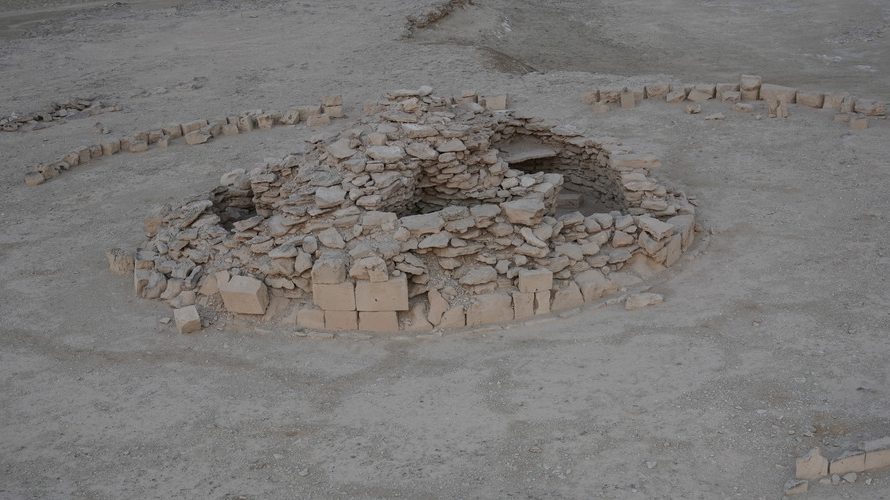
Located off the coast of Abu Dhabi, Umm an-Nar Island is known for its Bronze Age circular tombs and settlement remains. The site offers insight into one of the earliest urban societies in the region. It reflects the development of trade and cultural exchange in the 3rd millennium BCE.
Location: Umm an-Nar Island, Abu Dhabi
Sir Bu Nair Island

Sir Bu Nair Island is a protected marine and wildlife reserve in the Gulf, with archaeological evidence of ancient pearl diving and trade. The island also contains burial sites and coral-built structures. Its cultural and ecological value make it a strong candidate for World Heritage recognition.
Location: Sharjah
Khor Dubai

Khor Dubai, or Dubai Creek, was historically a vital trade and pearl diving hub connecting the desert interior to the coast. The area showcases traditional architecture, old souks, and early settlement patterns. It represents Dubai’s transformation from a modest trading port to a global city.
Location: Dubai Creek, Dubai
Ed-Dur Site

Located in Umm Al Quwain, Ed-Dur is one of the largest archaeological sites in the UAE from the 1st century CE. The site contains temples, tombs, and imported goods, reflecting its role as a trading center. It offers a glimpse into regional connections during the pre-Islamic era.
Location: Umm Al Quwain
Al Bidya Mosque

Al Bidya Mosque in Fujairah is the oldest known mosque in the UAE, dating back to the 15th century or earlier. Built from mud and stone, it remains in use today. The mosque is a symbol of enduring faith and early Islamic architecture in the region.
Location: Fujairah
The Gate to Trucial States
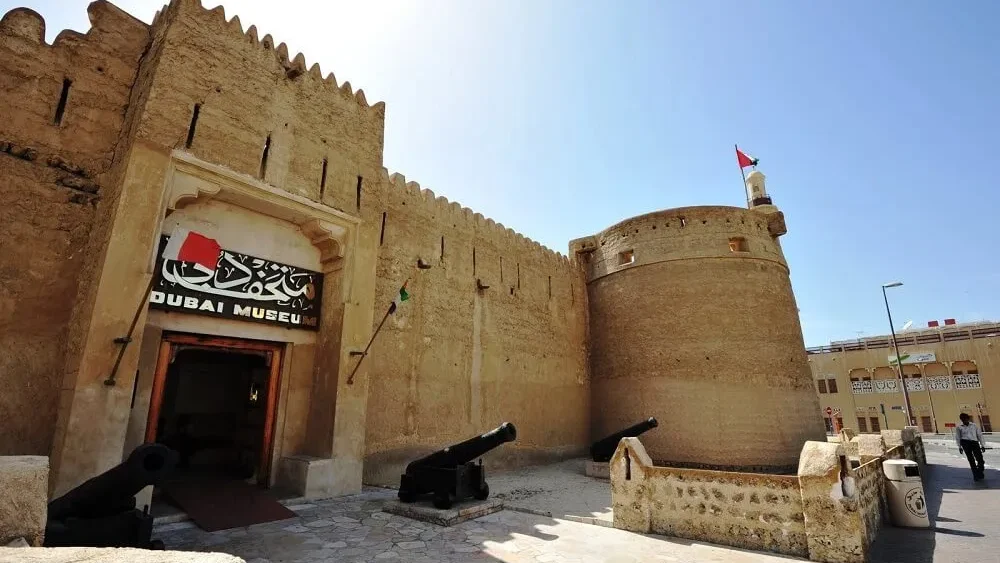
This site captures Sharjah’s historic role as a diplomatic, trade, and cultural gateway during the era of the Trucial States. It includes heritage buildings, old ports, and merchant homes. The nomination highlights Sharjah’s influence in shaping the political history of the UAE.
Location: Sharjah
Abu Dhabi Sabkha

The Abu Dhabi Sabkha includes expansive salt flats that hold evidence of early human adaptation to extreme environments. These geological formations also preserve ancient footprints and environmental records. The site offers scientific insight into climate and coastal settlement patterns.
Location: Abu Dhabi
The Cultural Landscape of Dhayah
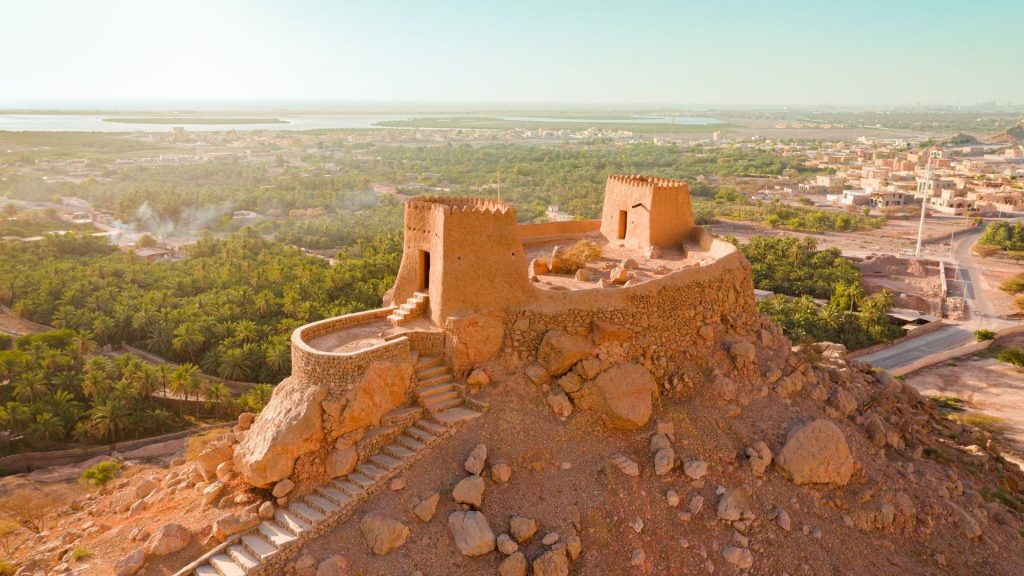
Dhayah, in Ras Al Khaimah, is known for its terraced agriculture, defensive fort, and archaeological remains. The landscape reflects long-term human interaction with the mountains and coastal plain. It provides a rich narrative of survival, defense, and sustainability.
Location: Ras Al Khaimah
The Pearl Trading Town of Jazirat Al-Hamra

Jazirat Al-Hamra is one of the best-preserved traditional pearling towns in the Gulf, abandoned in the mid-20th century. Its coral-stone houses, mosque, and souk stand as reminders of pre-oil era livelihoods. The town offers a tangible link to the region’s maritime heritage.
Location: Ras Al Khaimah
Trading Town of Julfar

Julfar, located in Ras Al Khaimah, was a prominent medieval trading port with links across the Indian Ocean. Excavations reveal houses, mosques, and imported goods from Asia and Africa. It played a central role in the regional economy before the rise of modern ports.
Location: Ras Al Khaimah
Shimal

Shimal is an archaeological site with evidence of Wadi Suq period settlements and Umm Al Nar tombs. Located near Julfar, it contains a mix of residential structures and ancient graves. The site reflects continuity of habitation and cultural evolution across millennia.
Location: Ras Al Khaimah
Wadi Wurayah National Park

Wadi Wurayah is the UAE’s first protected mountain area, known for its waterfalls, freshwater pools, and biodiversity. It also holds ancient petroglyphs and burial sites. The park blends natural heritage with archaeological significance in a unique mountain ecosystem.
Location: Fujairah
Wadi Al Helo: Testimony of Bronze Age Copper Production
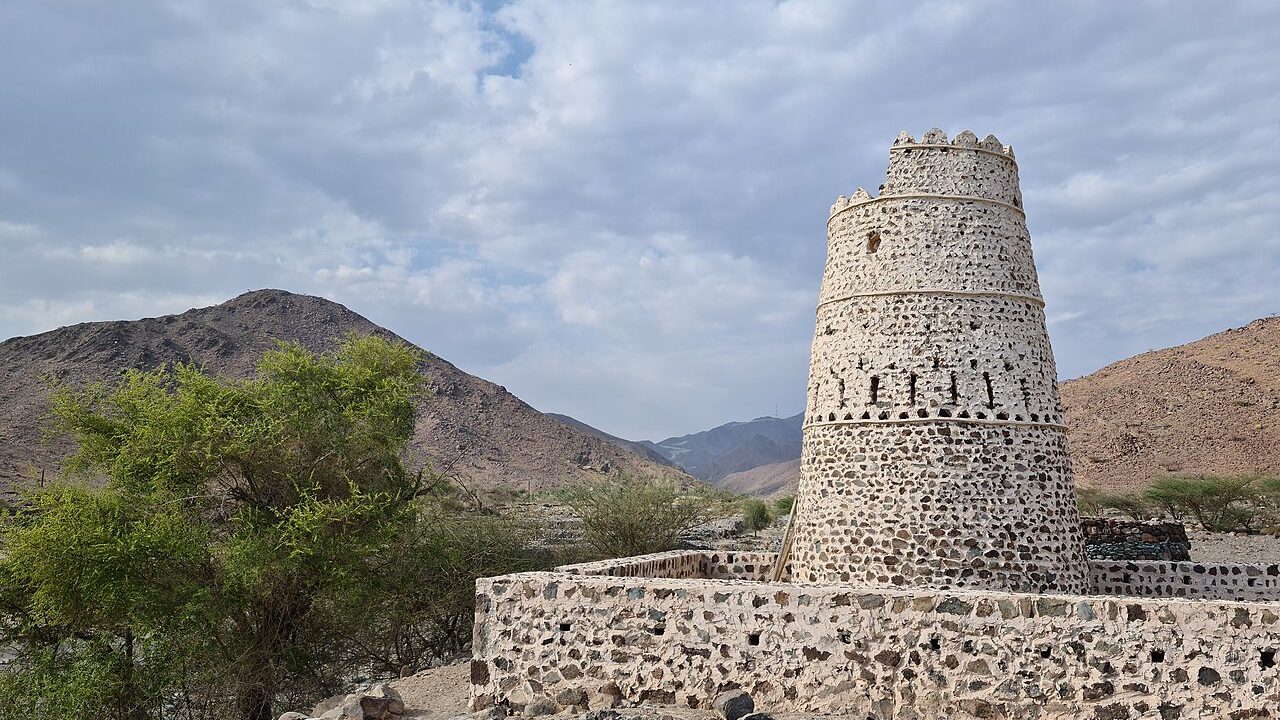
This wadi in Sharjah holds remains of a Bronze Age copper mining and smelting site. The discovery of furnaces, tools, and slag reveals early industrial activity. It shows how communities adapted to and utilized mountain resources.
Location: Sharjah
The Rock Art of the Emirate of Sharjah
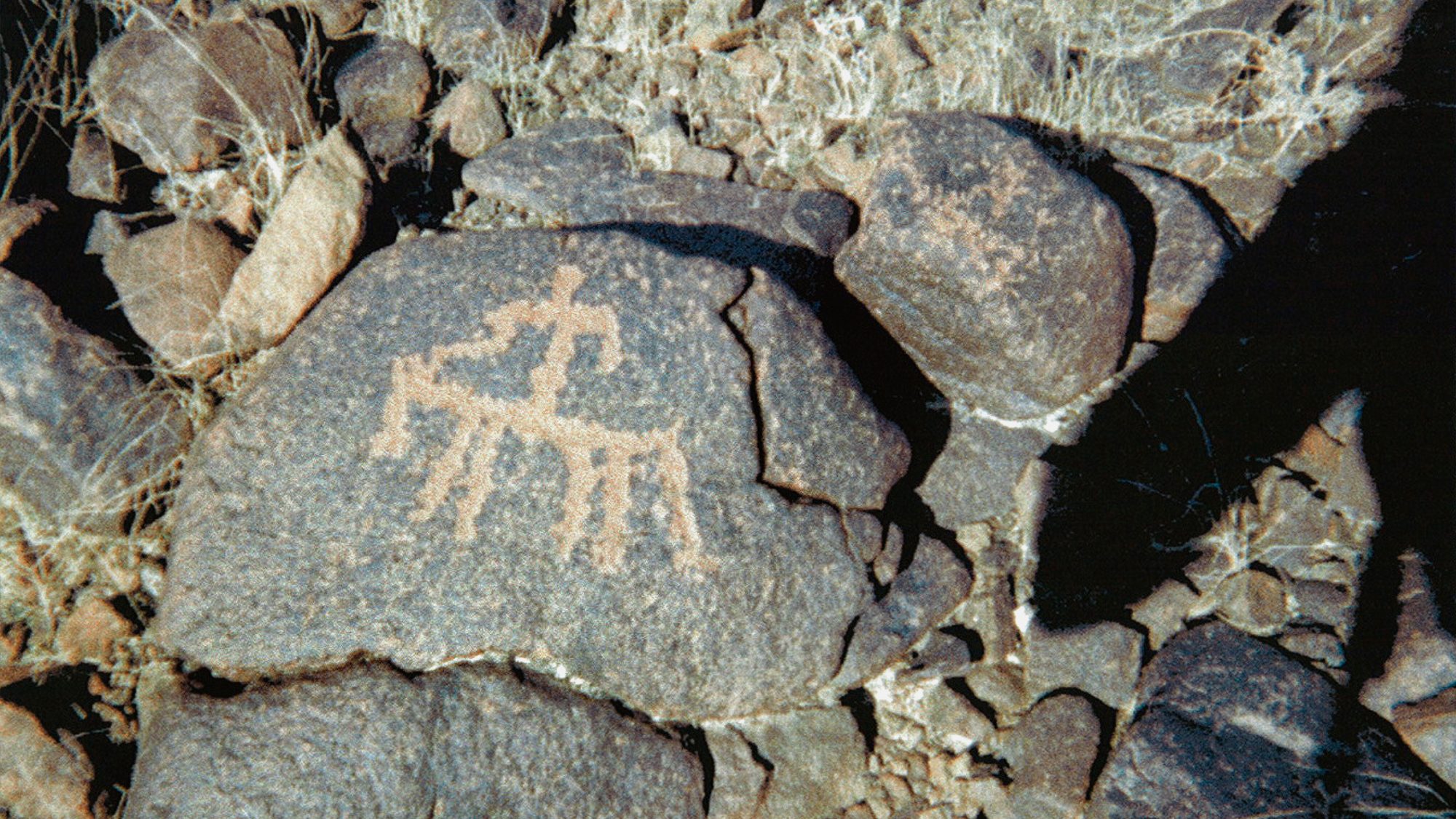
Scattered across mountain ranges, Sharjah’s rock art features human, animal, and symbolic carvings dating back thousands of years. These petroglyphs reflect spiritual beliefs, communication, and artistic expression. The site offers a window into prehistoric life and thought.
Location: Sharjah
Mleiha, Late Pre-Islamic Center of a South-East Arabian Kingdom

Mleiha in Sharjah contains tombs, forts, and palaces dating to the late pre-Islamic period. It was a political and economic center with links to regional trade networks. The site illustrates the rise of early Arabian kingdoms before the advent of Islam.
Location: Sharjah
Hatta Archaeological Landscape
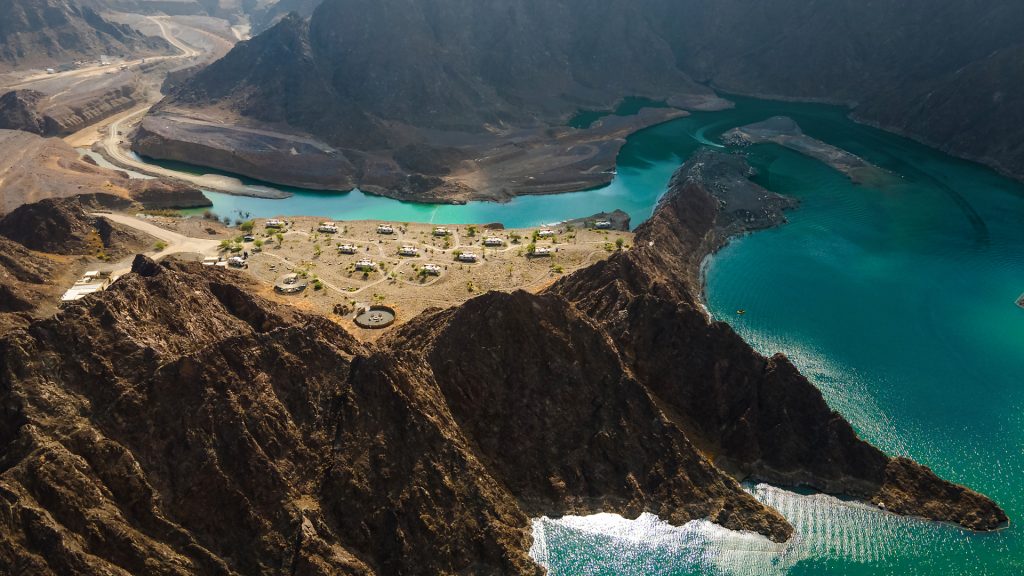
Hatta’s landscape features Iron Age tombs, traditional water systems (aflaj), and mountain farming terraces. The area showcases long-term human adaptation in a rugged mountain environment. It reflects a blend of cultural resilience and environmental harmony.
Location: Hatta, Dubai


