

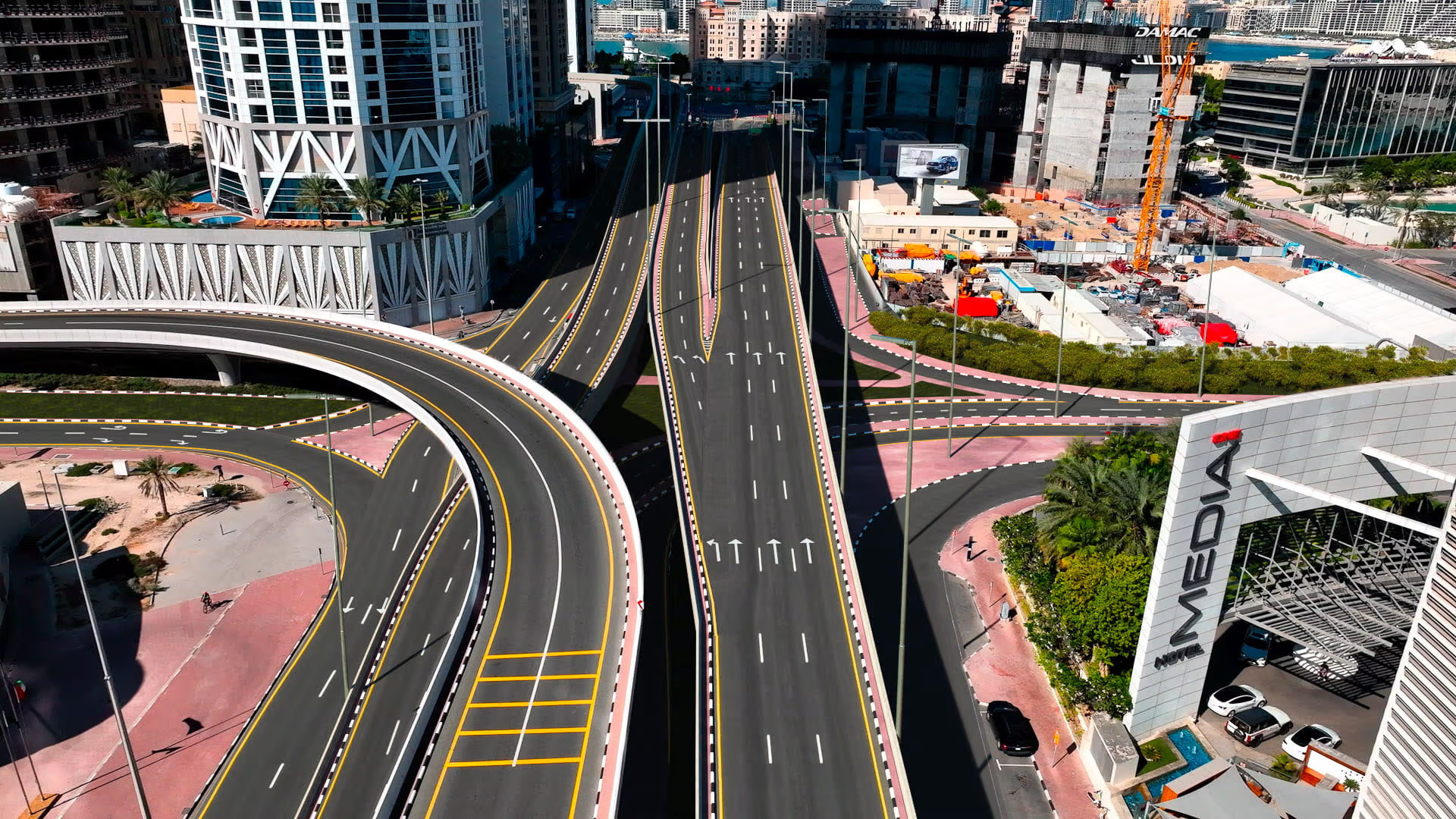
Dubai has unveiled a series of new road projects and traffic improvement plans aimed at easing congestion and enhancing mobility across the city. These developments are part of the emirate’s broader strategy to support rapid urban growth and improve transportation efficiency. Key upgrades include road expansions, new interchanges, and smart traffic systems designed to streamline daily commutes.
Etihad Rail
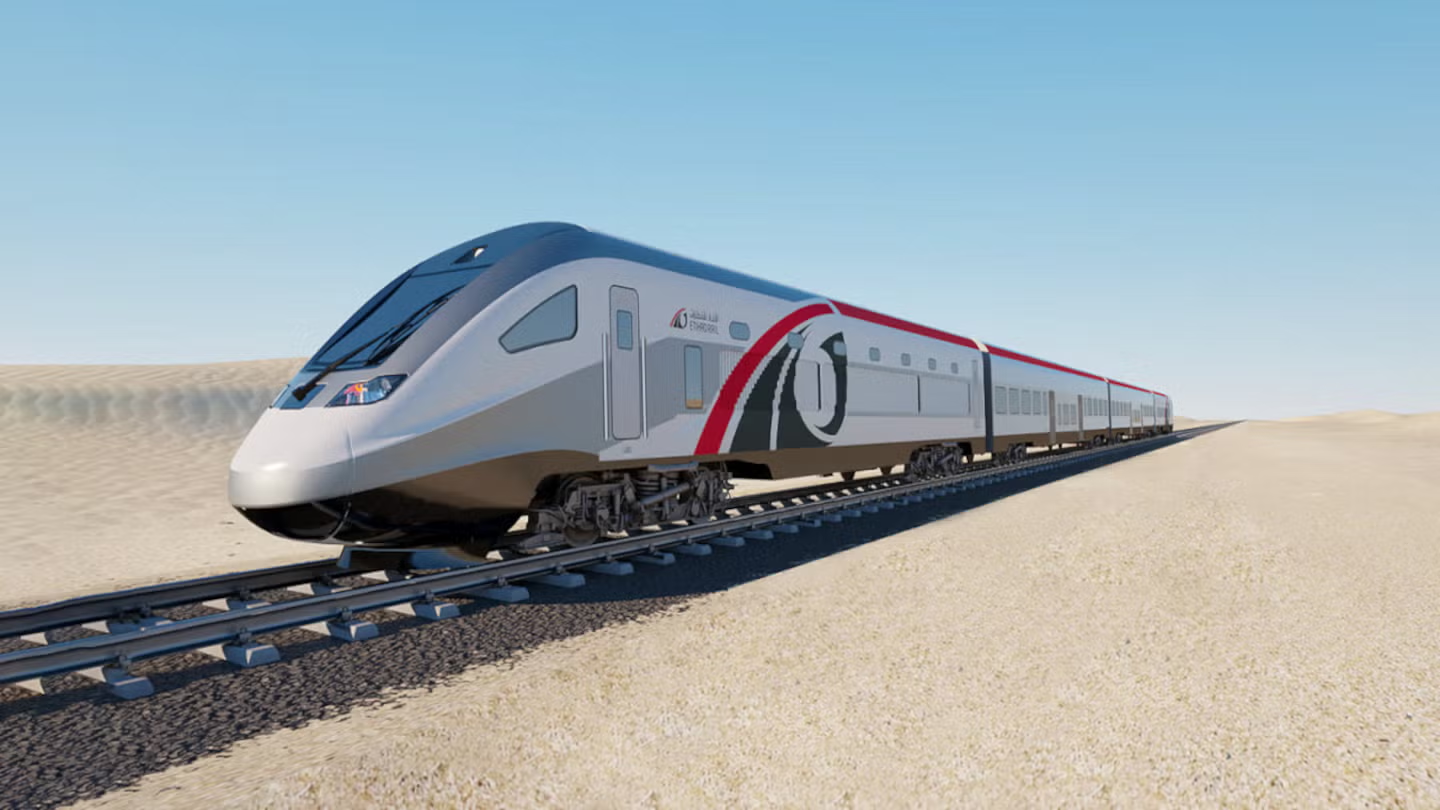
Etihad Rail is set to introduce a new high-speed passenger transport link aimed at reducing road congestion between Dubai and other emirates. The initial four stations will be located in Abu Dhabi, Dubai, Sharjah, and Fujairah, with future plans enabling travel between Abu Dhabi and Dubai in just 30 minutes. The project is expected to significantly improve intercity connectivity and daily commutes across the UAE.
Pod Rail
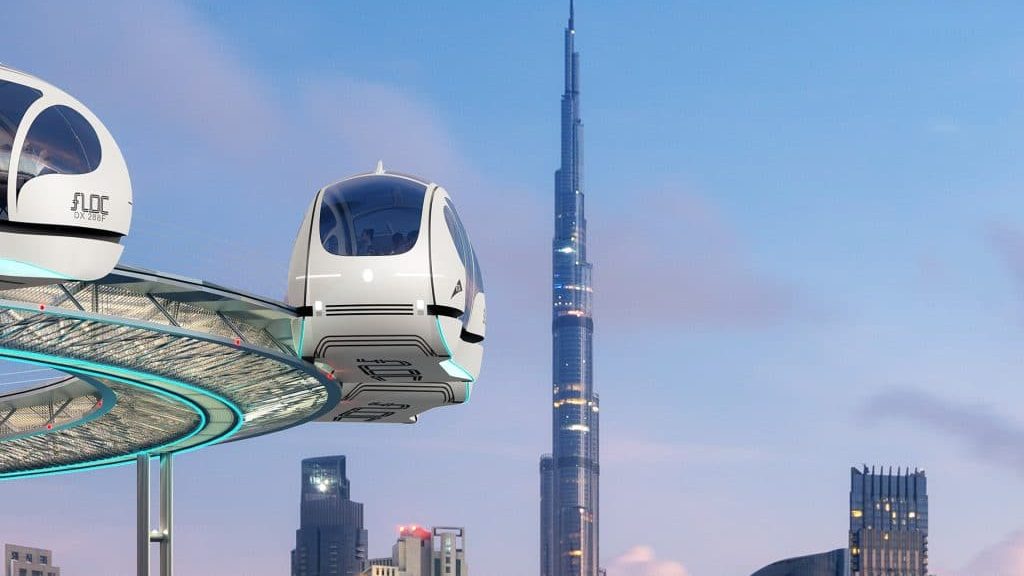
The Floc Duo Rail system, a self-driving electric pod network, was unveiled by the RTA at the 2024 GITEX Global Conference. Designed for efficient urban mobility, the system promises low carbon emissions, reduced congestion, and scalable deployment across the city. Once implemented, Dubai will be the first city globally to introduce this innovative mode of transport.
Flying Taxis
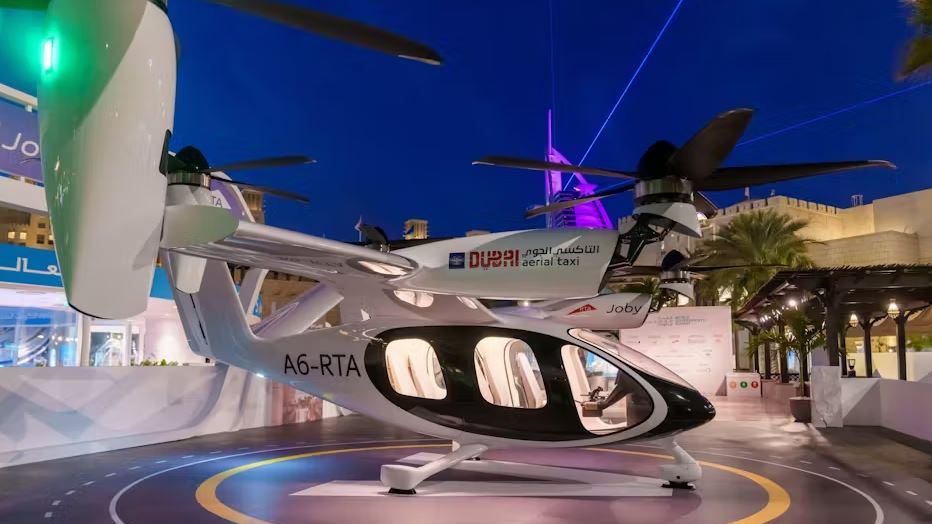
Flying taxis could begin operating in Dubai by the end of 2026, with initial routes connecting four key locations: Downtown Dubai, Dubai International Airport, Dubai Marina, and Palm Jumeirah. These vertiports are strategically chosen to enhance connectivity between the airport and major hotel areas, with flight times between stations expected to be around 10 minutes. Each flying taxi will carry a pilot and four passengers, reaching speeds of up to 200 miles per hour, while the General Civil Aviation Authority works on defining air corridors for safe travel.
Dubai Metro Blue Line
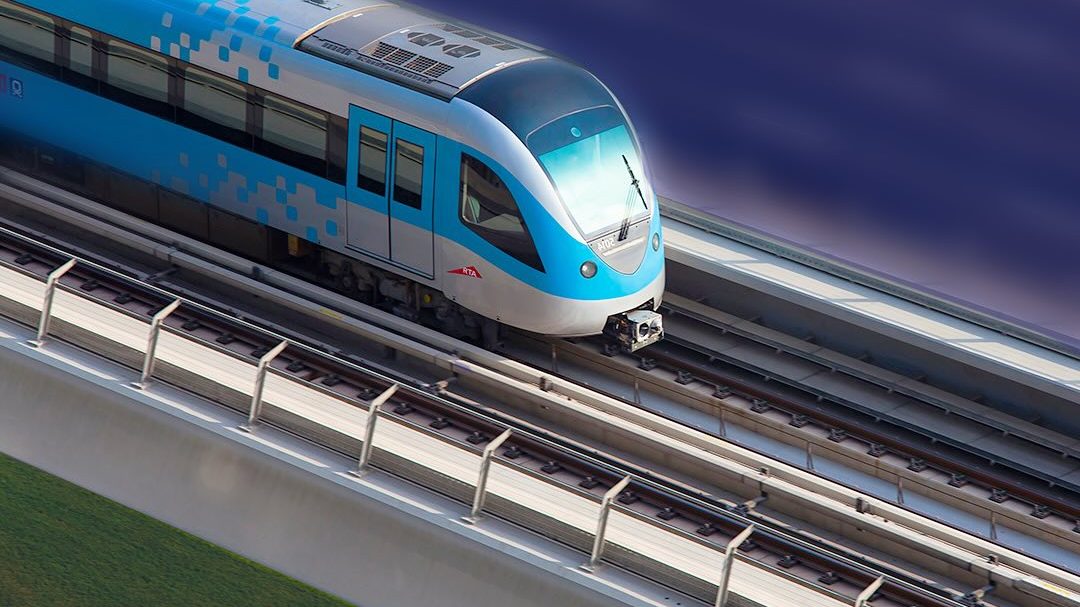
Dubai’s Roads and Transport Authority has confirmed that construction is underway on the AED 20.5 billion Dubai Metro Blue Line, which will join the existing Red and Green Lines. Scheduled to open in 2029, the same year as the Metro’s 20th anniversary, the line is expected to serve 200,000 passengers daily, increasing to 320,000 by 2040. The Blue Line supports broader plans to more than double the number of metro stations across the city by 2040.
Rail Bus
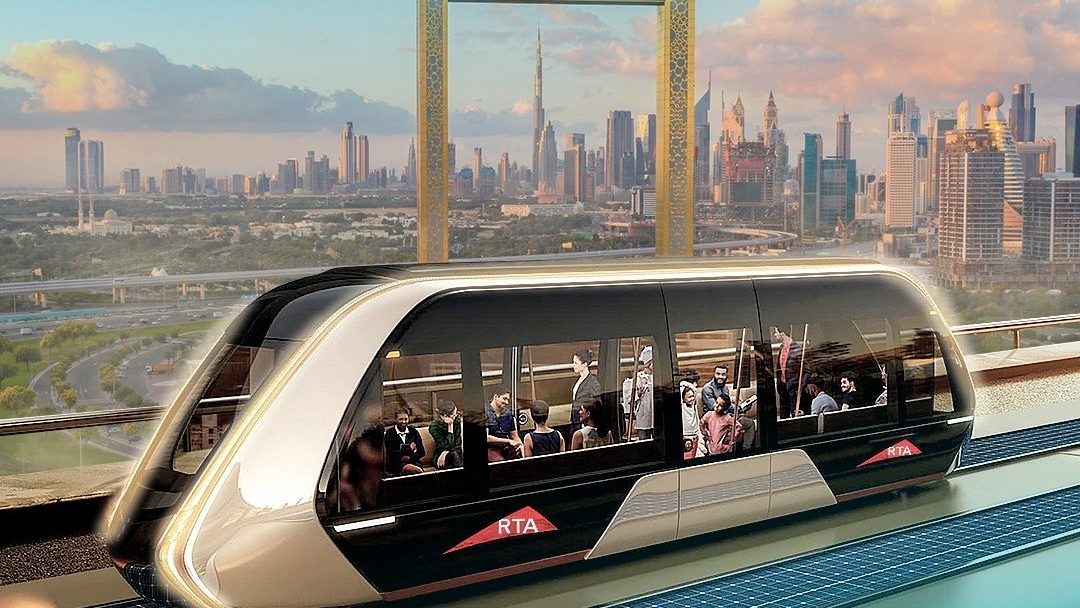
The Rail Bus, unveiled at the World Governments Summit 2025, is a solar-powered, 3D-printed transport solution designed for urban connectivity. Each pod will carry up to 40 passengers and operate at speeds of up to 100 km/h with an aerodynamic design for efficiency. The project focuses on improving first and last mile travel and will integrate with Dubai’s existing public transport system.
Dubai Loop
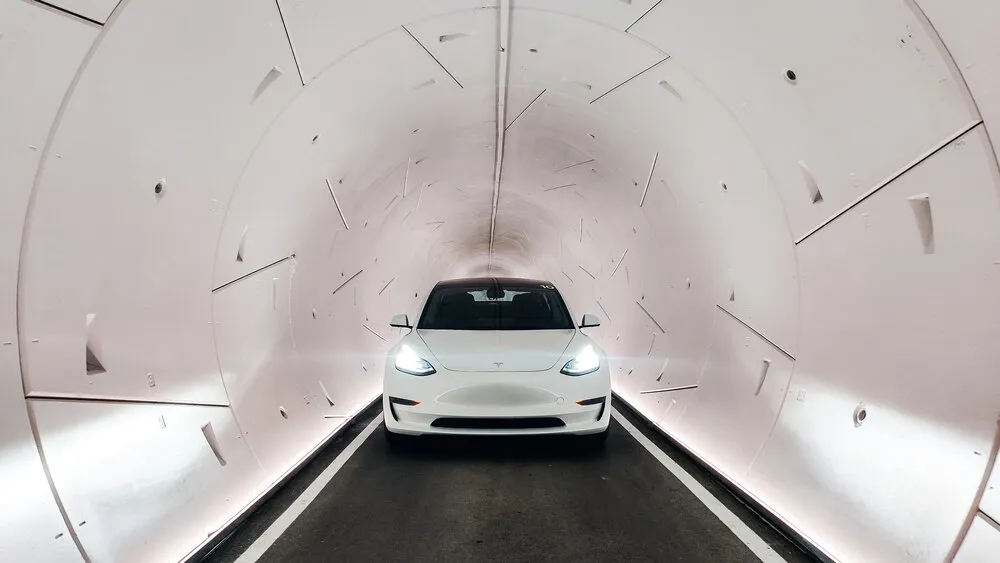
Elon Musk has announced a major underground transport project called the “Dubai Loop,” developed in collaboration with the Dubai Government and the Roads and Transport Authority. The initial phase will span 17 km with 11 stations and a capacity of 20,000 passengers per hour, eventually scaling to over 100,000. Designed for high-speed, non-stop travel between stations, the system will reach speeds of up to 160 km/h, targeting high-density areas across the city.
Self-Driving Vehicles
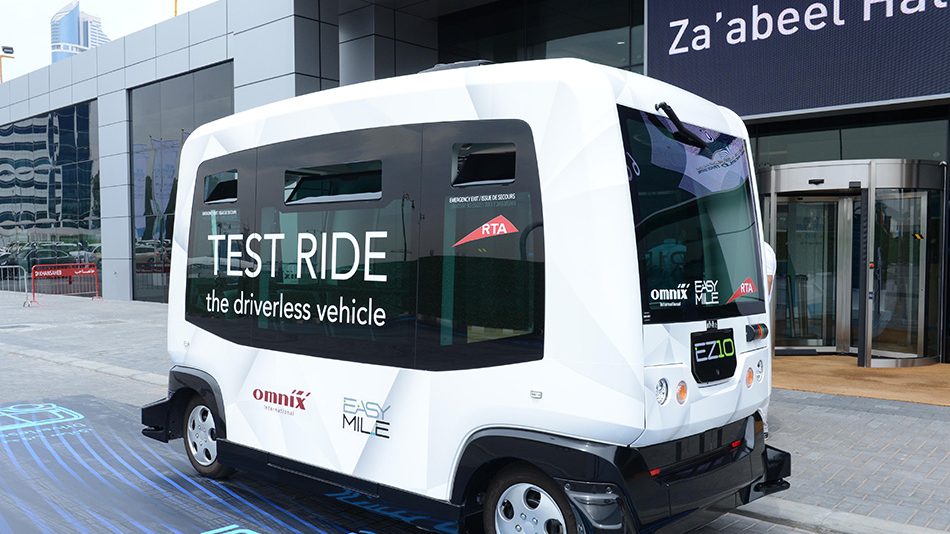
A new federal traffic law passed in June 2024 is accelerating the introduction of self-driving vehicles in the UAE. The legislation broadens vehicle classification rules, paving the way for driverless taxis and other autonomous transport. Dubai plans to deploy 4,000 driverless taxis as part of its goal for 25 percent of all transport to be self-driving by 2030, aiming to reduce traffic, emissions, and accidents.
Dubai Walk
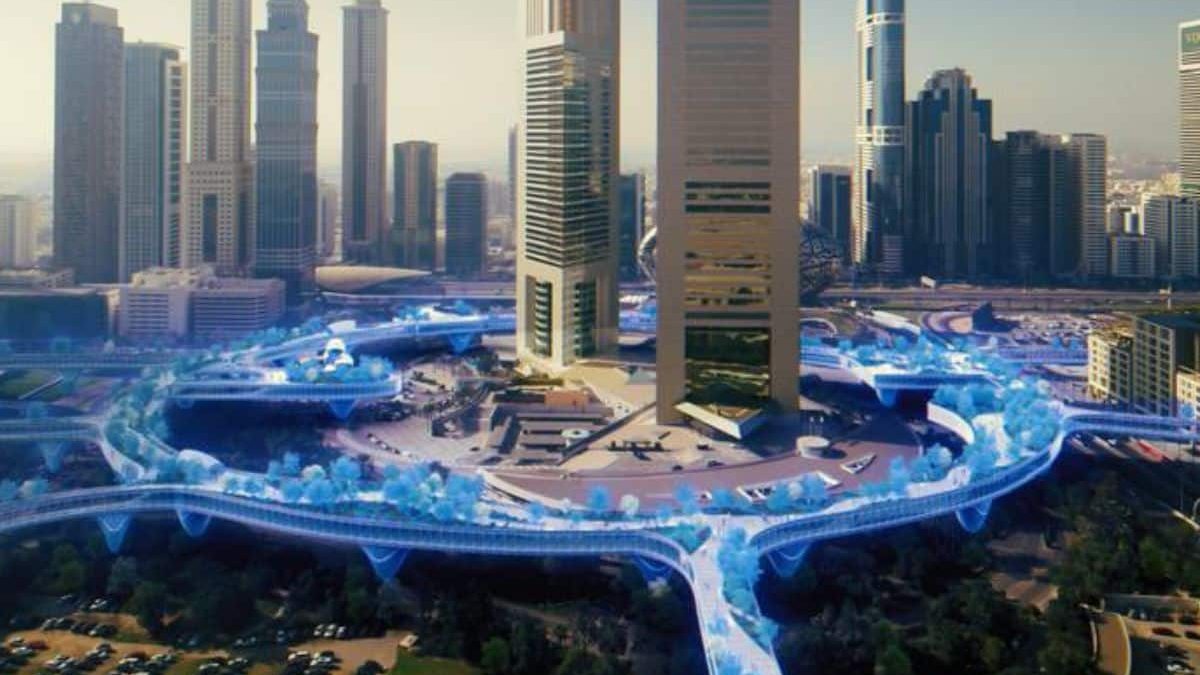
Dubai Walk is a long-term urban mobility project set for completion by 2040, featuring a 6,500 km interconnected pedestrian network. It includes 3,300 km of new walkways, upgrades to 2,300 km of existing paths, and the addition of 110 bridges and underpasses. Designed to connect major landmarks like Burj Khalifa, Dubai Marina, and DIFC, the initiative aims to ease congestion at crossings and promote walkability across the city.
Dubai Harbour
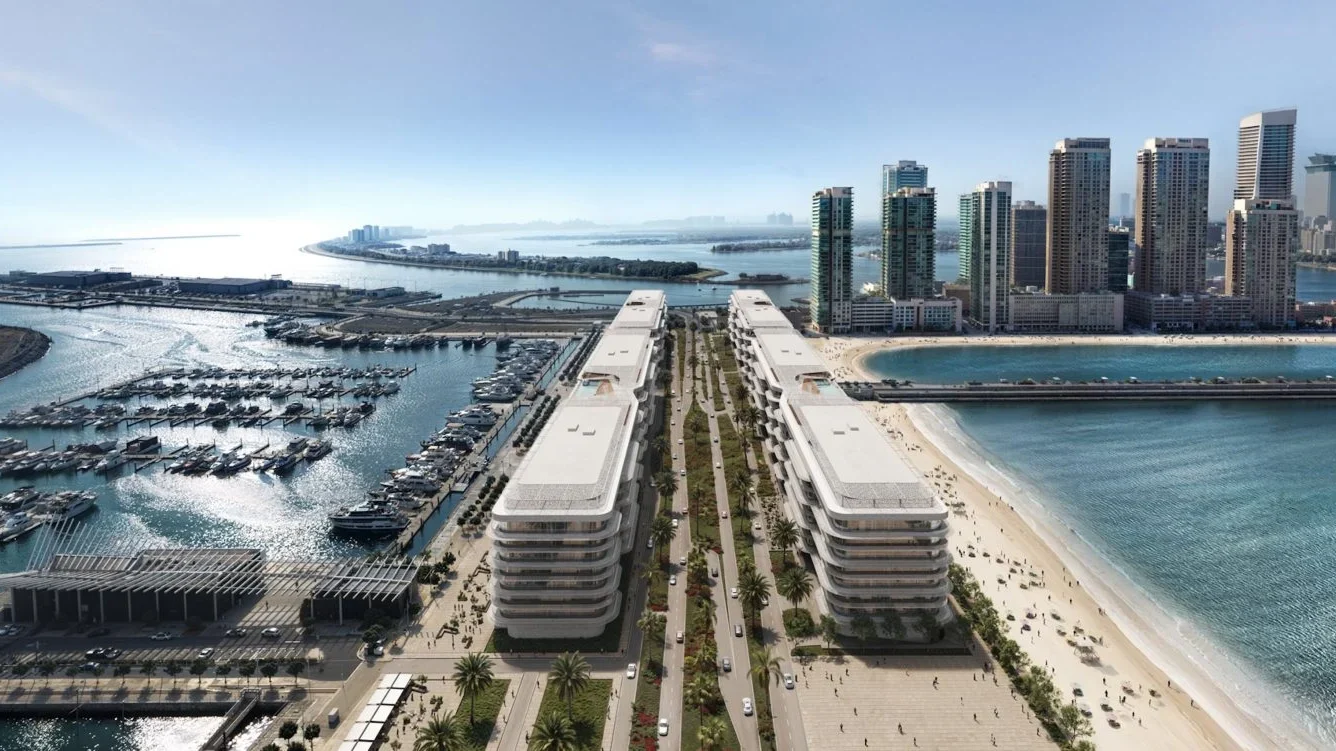
The Roads and Transport Authority has launched an AED 431 million project to improve access to Dubai Harbour, introducing direct entry and exit points to the area. The development includes a two-lane bridge in each direction, stretching 1,500 metres from Sheikh Zayed Road to Dubai Harbour. Once complete, it will accommodate up to 6,000 vehicles per hour and reduce travel time in the area from 12 minutes to just three.
RTA Taxi and Bus Lanes
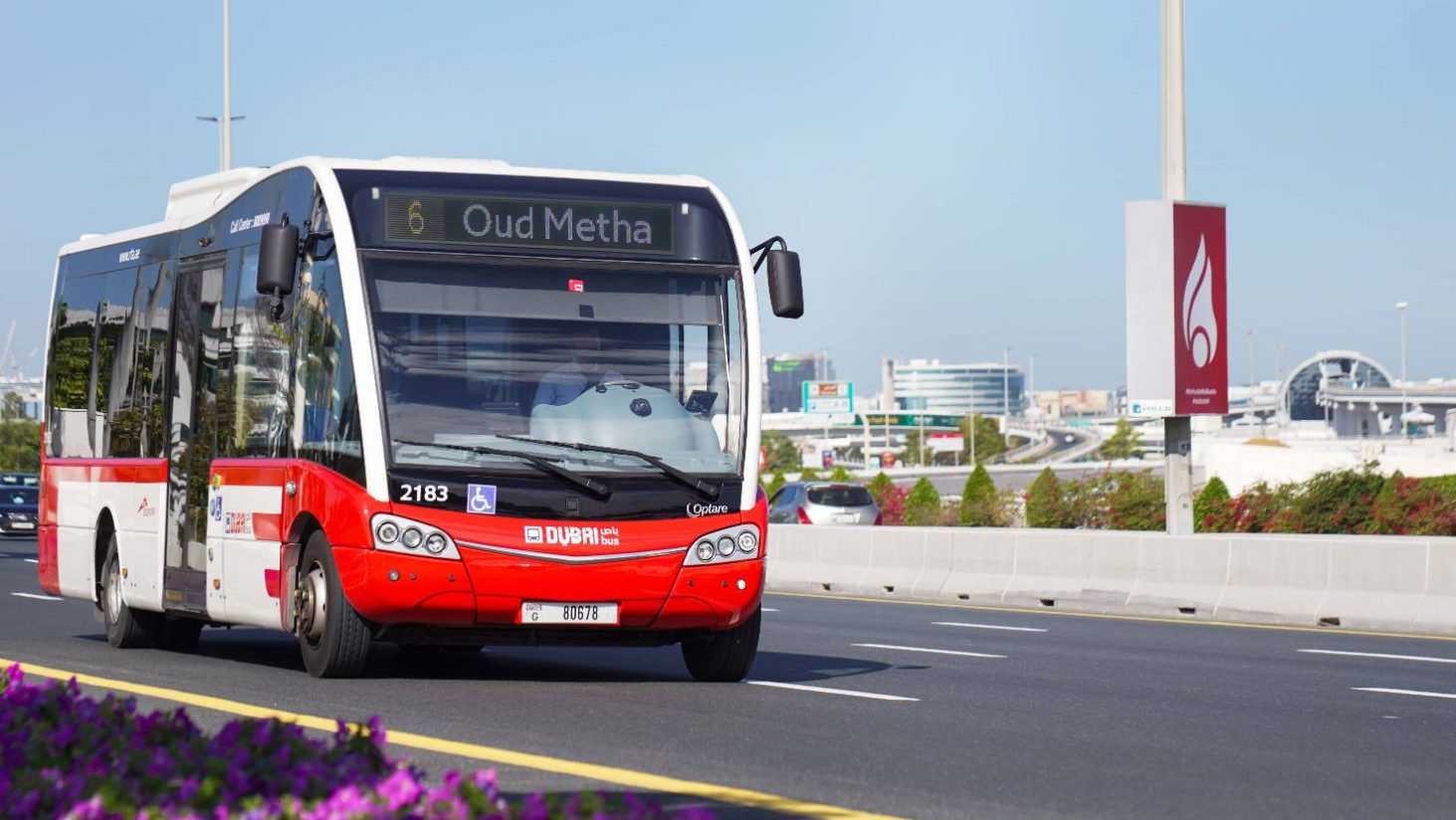
Between 2025 and 2027, the RTA will expand Dubai’s dedicated bus and taxi lane network to a total of 20.1 km. The project includes 13.1 km of new lanes across six major roads: Sheikh Sabah Al Ahmad Al Jaber Al Sabah, 2nd of December, Al Satwa, Al Nahda, Omar bin Al Khattab, and Naif Streets. This initiative aims to improve public transport efficiency and reduce travel times across busy corridors.
RTA Bus Pooling Initiative
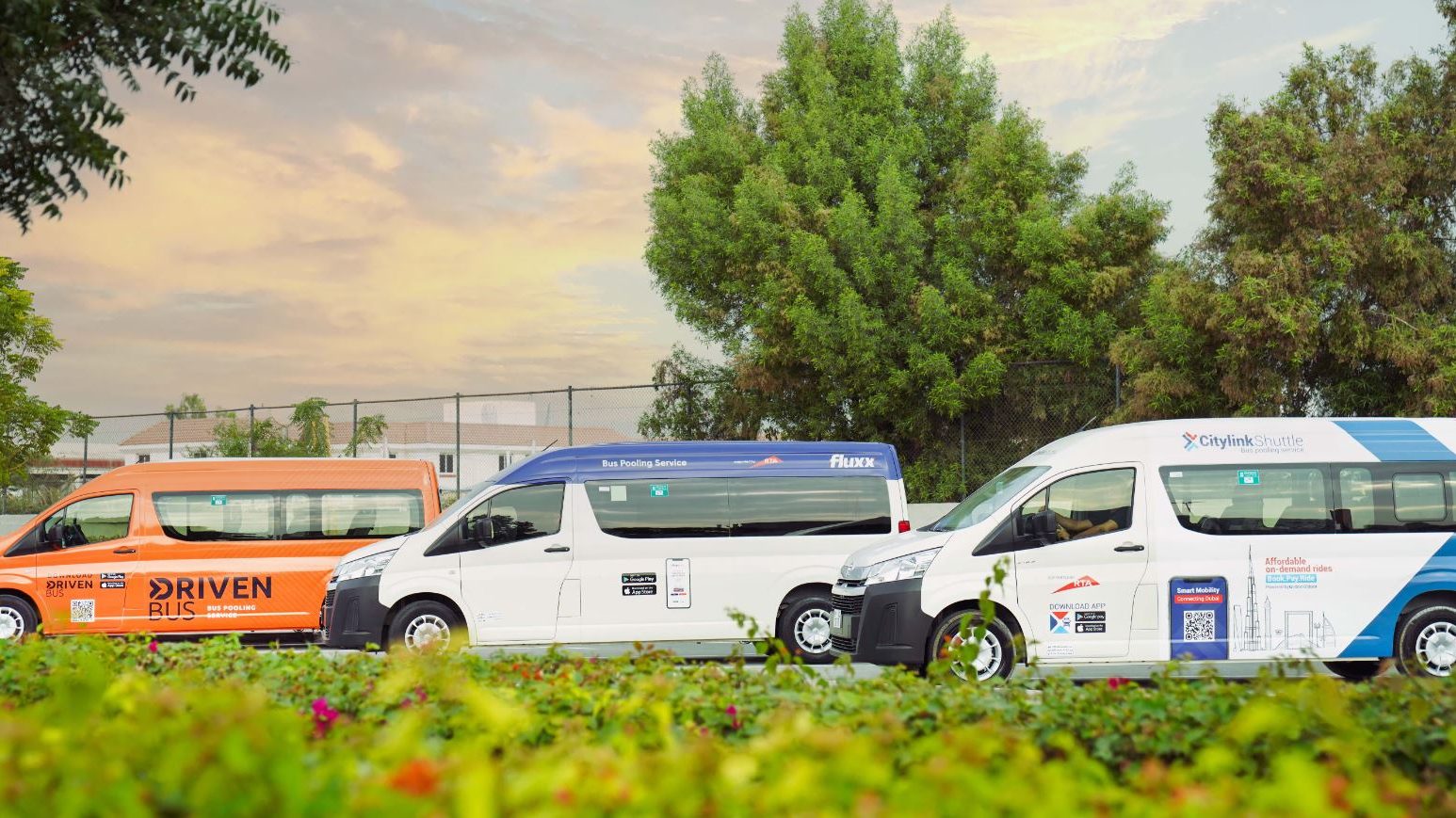
The RTA has introduced a bus pooling initiative to offer quicker and more convenient transport in high-traffic areas of Dubai. Unlike traditional public buses, these vehicles will operate without fixed routes and can carry up to 30 passengers. The goal is to reduce dependency on private transport, easing congestion across the city.
Dubai World Trade Centre Roundabout
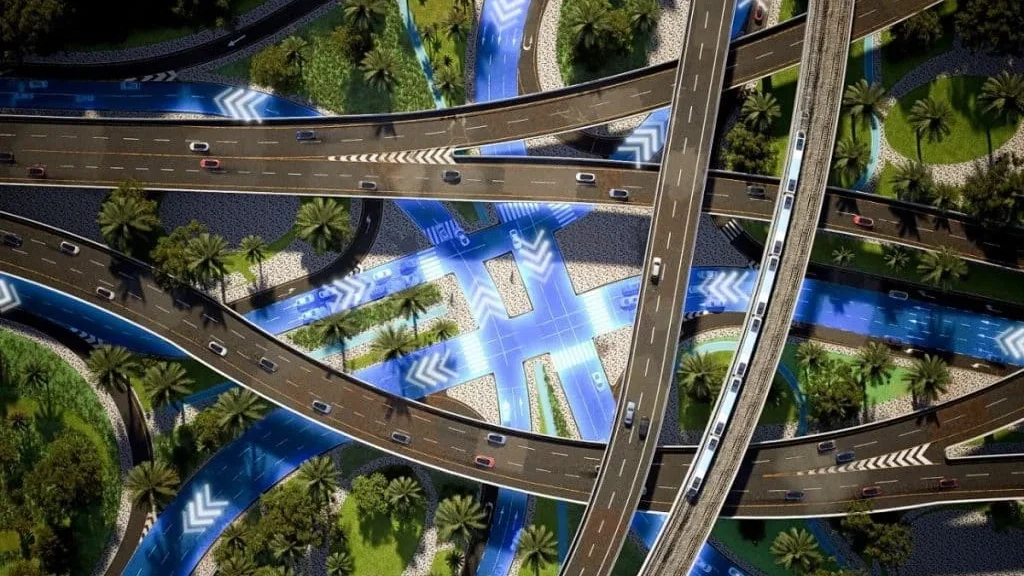
Traffic flow is set to improve between Sheikh Zayed Road and 2nd December Street, as well as from Al Mustaqbal Street to Sheikh Zayed Road southbound. The upgrades target the congested Dubai World Trade Centre intersection. Once complete, delays are expected to drop from 12 minutes to just 90 seconds.
RTA Eight-Lane Bridge
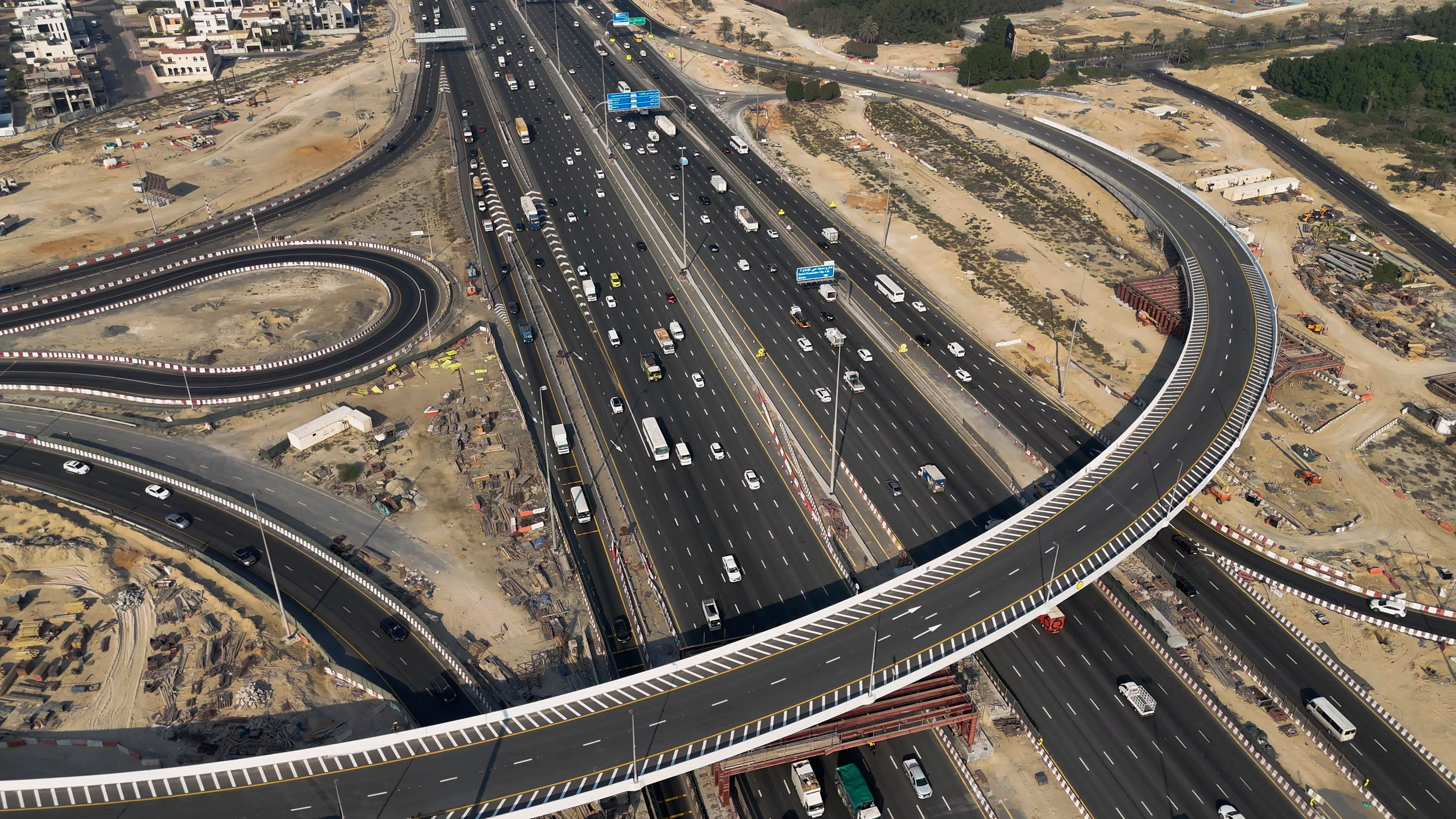
Dubai’s Roads and Transport Authority has announced an AED 786 million project to build an eight-lane bridge over Dubai Creek, aimed at easing traffic and improving connectivity. Spanning 1,425 metres with four lanes in each direction, the bridge will link Dubai Islands to Bur Dubai and handle up to 16,000 vehicles per hour. It will also feature a dedicated cycling and pedestrian path with elevators, benefiting around one million residents.
Al Shindagha Corridor Project
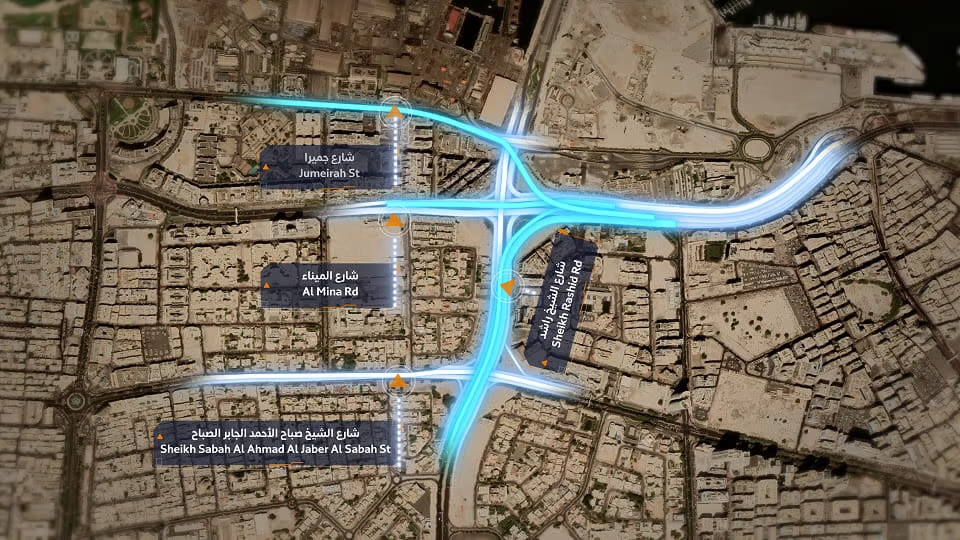
The Al Shindagha Corridor Project is one of the RTA’s largest ongoing infrastructure developments, launched in 2016. Covering 13 kilometres across Sheikh Rashid Road, Al Mina Street, Al Khaleej Street, and Cairo Street, the project is set to enhance traffic flow between Deira and Bur Dubai. Once completed by 2030, it is expected to reduce travel time from 104 minutes to just 16 minutes, benefiting around one million residents.
Hessa Street
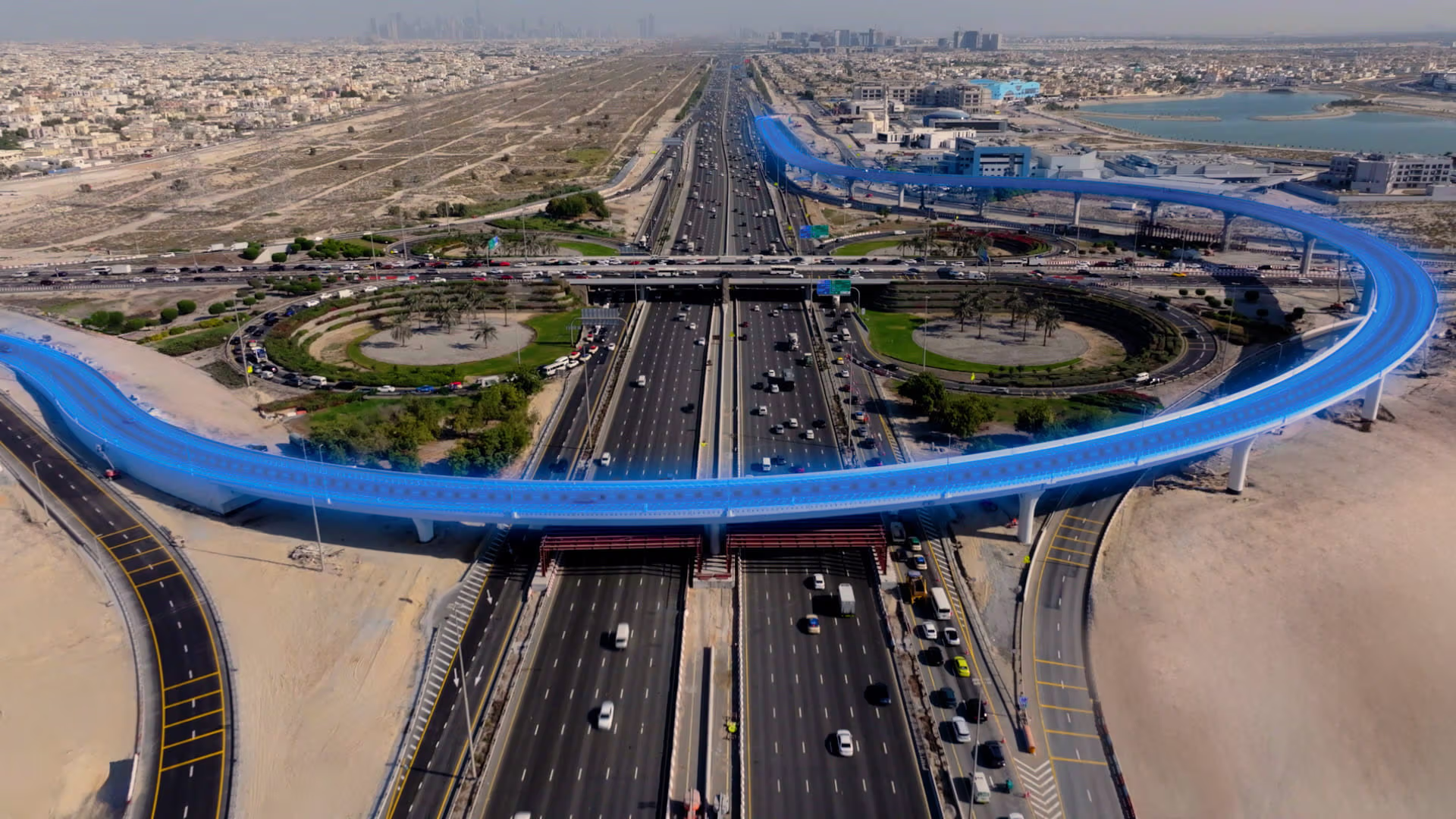
The AED 689 million project will upgrade four key intersections and expand Hessa Street to four lanes in each direction over a 4.5 km stretch. Improvements include revamped junctions at Sheikh Zayed Road, First Al Khail Street, Al Asayel Street, and Al Khail Road. A 1,000-metre bridge linking Hessa Street and Al Khail Road was completed in December 2024, with the overall project expected to benefit 640,000 people by 2030.


